HOME / LASH PACKAGING / SPEED FANS/ RAPID FANS
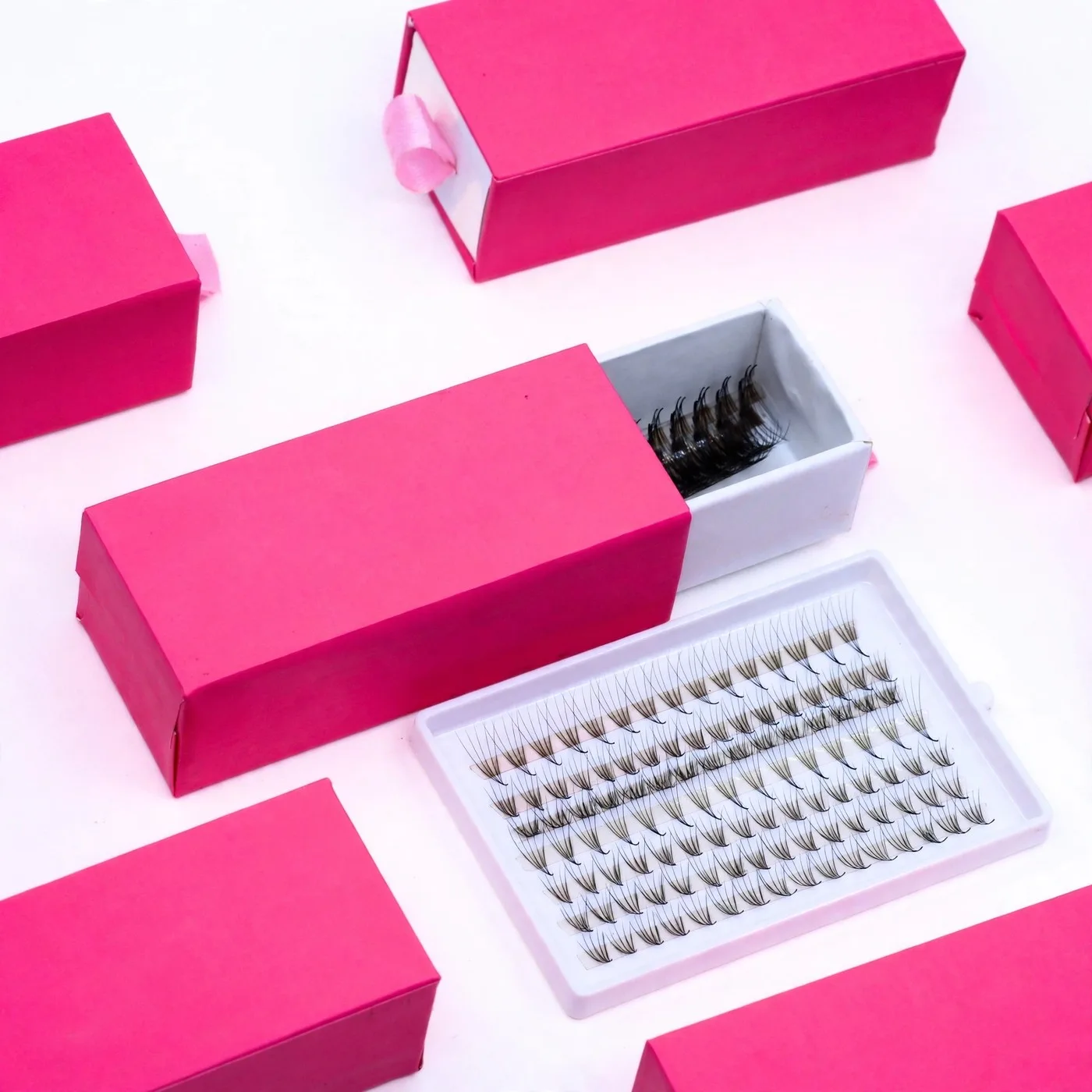
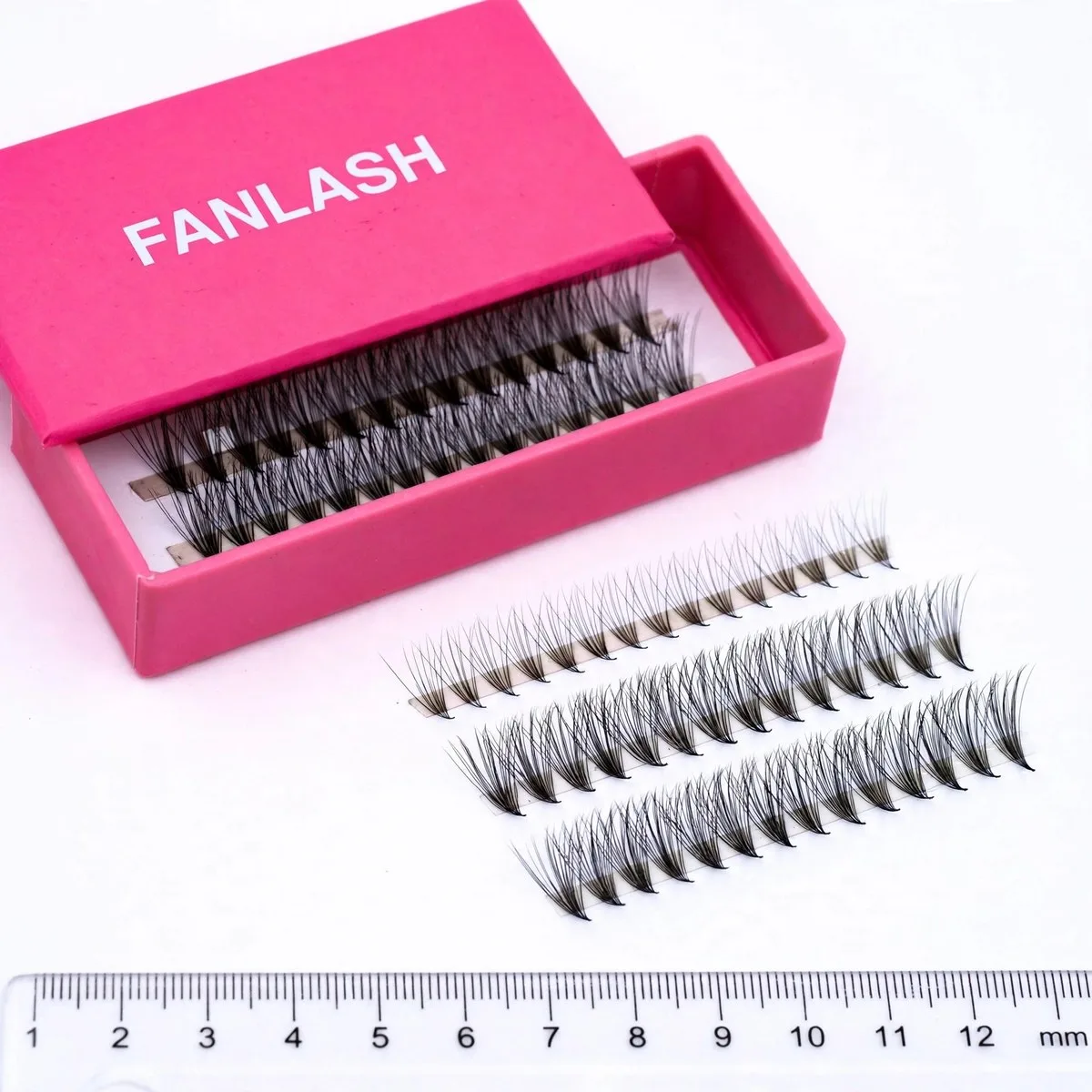
Speed fans (rapid fans) combine the advantages of loose fans and the XL tray: compact packaging with the fans arranged in a neat line. Unlike loose fans, they are lined up and easy to set up before lashing, and the box can mix lengths like the XL tray – cutting shipping cost and storage space while holding 500 to 2000 fans.
CATEGORY: SPEED FANS/ RAPID FANS

Rapid Fans: What To Verify Before A Bulk Order
Rapid fans open with less pressure than a standard easy fan. That speed is the product, and it is also where inconsistency shows first.
- 01Bloom pressureTest the pinch across several rows. A fan that needs heavy pressure defeats the purpose of the format.
- 02Even openingThe fan should spread as one unit rather than splitting into two clusters.
- 03Base stays narrowRapid opening can widen the base. Check the attachment footprint after fanning.
- 04Fan holds after placementA fan that closes once placed forces a redo and costs more time than the format saves.
- 05Row count against consumptionTwelve rows sets how many fans a tray provides. Match it to how many sets a shift covers.
Frequently Asked Questions
What are rapid fans?
Rapid fans open with very little pinch pressure, which shortens the fanning stage further than a standard easy fan. They suit artists who work at speed.
How is it different from easy fan?
The bloom happens with less pressure. That speeds up the set but demands a lighter hand, because the fan can open wider than intended.
What does 12 rows mean for capacity?
Twelve rows is a standard tray capacity. It sets how many fans are available per tray and, in practice, how long one tray lasts in a busy studio.
What should I verify in a sample?
That the fan opens evenly, that it does not split into two clusters, and that the base stays narrow enough to attach without a bulky footprint.
Who should not use this format?
Artists still developing fine tweezer control. With less pressure required, the fan is easier to over-open, which shows as an uneven set.